
An American kid from Indiana who wanted to attend the University of Illinois paid out-of-state tuition rates. An illegal immigrant living down the street from that university paid in-state rates, got financial aid, and qualified for scholarships. Same campus, same classes — except the citizen got the bigger bill.
On Friday, a federal judge ended that arrangement.
U.S. District Judge Stephen McGlynn of the Southern District of Illinois — a Trump appointee — struck down two state laws, the RISE Act and the Illinois DREAM Act, that had extended in-state tuition, financial aid, and scholarship eligibility to illegal immigrants. The ruling came in a Justice Department lawsuit originally filed against Illinois in September 2025, part of a nationwide legal campaign by the Trump administration targeting states that hand out education benefits to people who aren't supposed to be in the country.
U.S. Attorney Steven Weinhoeft didn't mince words about what Illinois had been doing. "Illinois sought to incentivize illegal immigration on the taxpayer's dime by treating illegal aliens better than US citizens living in other states, in clear violation of federal law," Weinhoeft said. "This ruling enforces the statute Congress wrote and stops the State from putting illegal aliens ahead of American citizens."
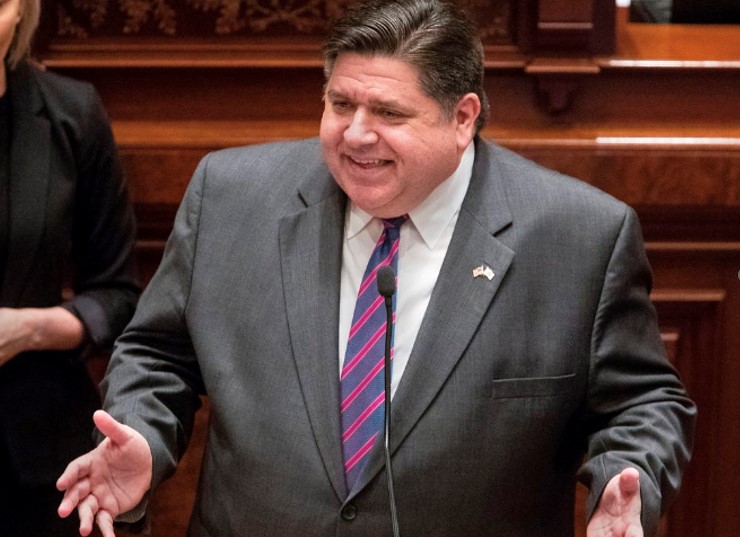
That's the detail that makes this story stick. We're not talking about some abstract policy debate. We're talking about a system where a kid whose family has paid federal taxes for three generations gets charged more for college than someone who crossed the border illegally. And Gov. JB Pritzker signed the laws that made it happen.
Rep. Mary Miller, Republican of Illinois, posted on X on July 25 that the ruling was overdue. "This is a win for Illinois taxpayers and American students who were shut out while Pritzker prioritized foreigners in our country illegally," Miller wrote.
Illinois isn't an isolated case. The Trump administration has already settled similar challenges in Texas, Kentucky, Oklahoma, and Nebraska. And the DOJ has active lawsuits pending against Minnesota, Virginia, California, New Jersey, Kansas, Massachusetts, Rhode Island, Maryland, and Colorado.
Colorado's case is the freshest. The Justice Department filed suit in July 2026 targeting the state's ASSET Act, which does the same thing Illinois was doing — subsidizing illegal immigrants' tuition with taxpayer money. Associate Attorney General Stanley Woodward laid out the administration's position clearly: "For three decades, Congress has made clear that Colorado cannot give education benefits to illegal aliens that it does not give to all American citizens. By granting illegal aliens in-state tuition, Colorado is not only violating federal law but subsidizing education for illegal aliens at taxpayers' expense."
Woodward added that the litigation campaign won't stop until every state complies. "Our litigation efforts will not cease until we have fulfilled President Trump's promise that illegal aliens will not obtain preferential treatment over our nation's own citizens."
Colorado's response was predictable. A state spokesperson called the federal government's enforcement of existing law "absurd" and insisted the state was just "expanding access to education." Expanding access — to people who aren't legally present in the country, using money collected from people who are. That framing tells you everything about how these governors think about citizenship.
The legal foundation here isn't new or controversial. Congress wrote a statute decades ago that says states can't offer education benefits to illegal immigrants that aren't available to all U.S. citizens. A kid from Missouri, a kid from Georgia, a kid from anywhere in America — if they can't get the same deal, the state can't offer it to someone who entered illegally. Pritzker's laws violated that on their face, and Judge McGlynn said so.
Nine states still have active lawsuits pending. Four have already folded. The federal statute hasn't changed. The only thing that changed is that someone in Washington decided to enforce it.