
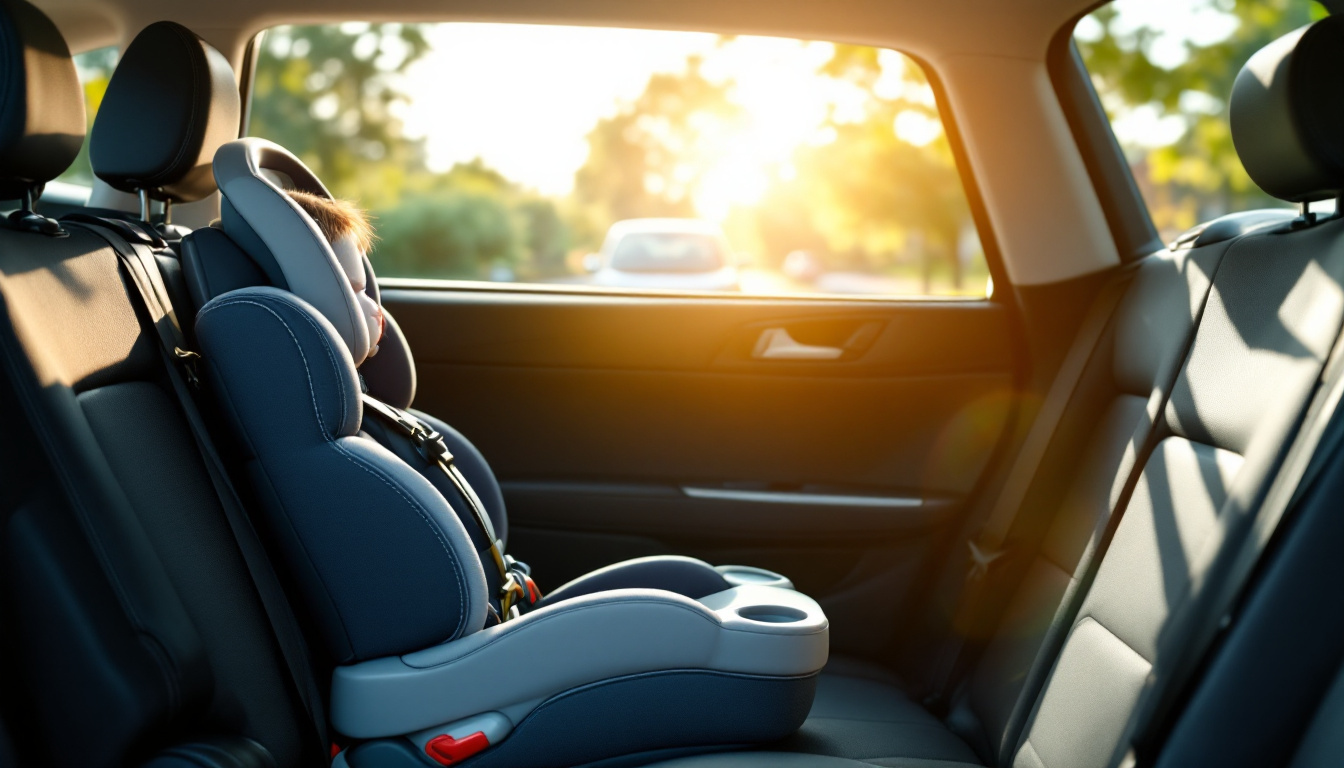
Starting January 1st, California will require car seat or booster seat accommodations for children up to age 16, depending on whether they pass a "fit test" for the vehicle's standard seat belt. First offense runs $100 — which balloons past $500 once the state tacks on its mandatory penalty assessments and court fees. Second offense is $250 before fees. Plus a point on your driver's license.
In most states, booster seat requirements end somewhere between ages 7 and 8.
California looked at that number and thought: too low. Way too low. A state where minors can access irreversible medical procedures without parental consent has decided that a 15-year-old might not be mature enough to sit in a car without specialized restraint equipment.
The law expands the existing requirement from age 8 all the way to 16, making California an instant national outlier. Whether a teenager actually needs a booster seat depends on a "fit test" — the state's mechanism for determining if a child's body can safely use a standard seat belt. The specifics of how that test gets administered at a traffic stop remain, to put it gently, unclear.
Twitchy flagged the law after it started trending on social media, where the reactions wrote themselves. Katie Miller, wife of White House Chief of Staff Stephen Miller, nailed the practical absurdity: "The fastest way to kill the birth rate is mandating more car seats...a limiting factor on the number of children we have is car seats."
She's not wrong. Anyone who's wrestled three car seats across a back bench knows that vehicle logistics already cap family size in ways Sacramento apparently never considered. Now extend that headache through age 16 — when kids in 49 other states are learning to drive.
The enforcement math is worth sitting with. A cop pulls you over. Your 14-year-old is in the passenger seat wearing a seat belt. The officer now has to determine whether your teenager passes a fit test for the vehicle's restraint system. The fine structure — $100 base, $500-plus after assessments, points on your record — treats this the same way the state treats running a red light.
One commenter on X put a finer point on the real agenda: "This is a backdoor way to ban children from self driving cars," wrote Sam D'Amico, pointing to a regulatory angle that goes beyond simple safety theater.
Governor Gavin Newsom's California has become a laboratory for a specific theory of governance: the state knows better than you do about every aspect of your life, including whether your high school sophomore can handle a seat belt. The same state that won't prosecute shoplifting under $950 will fine you $500 for how your teenager sits in your own car.
Forty-nine states manage to keep children safe with booster seat laws that end before third grade. California's ends sophomore year.