
In November 2018, hundreds of people from a migrant caravan rushed the San Ysidro border crossing south of San Diego. Some threw rocks at Border Patrol agents. The agents fired tear gas to push them back.
The press went wild. For days, photos of mothers and children running through the gas were everywhere.
Customs and Border Protection had already proposed an alternative that same year. It had nothing to do with gas, and nobody had to swing a baton or fire a rubber bullet. The tool sends people running in a couple of seconds and leaves no lasting injury. Then-Homeland Security Secretary Kirstjen Nielsen said no, weeks before the midterms.
Eight years later, it's headed to the border.
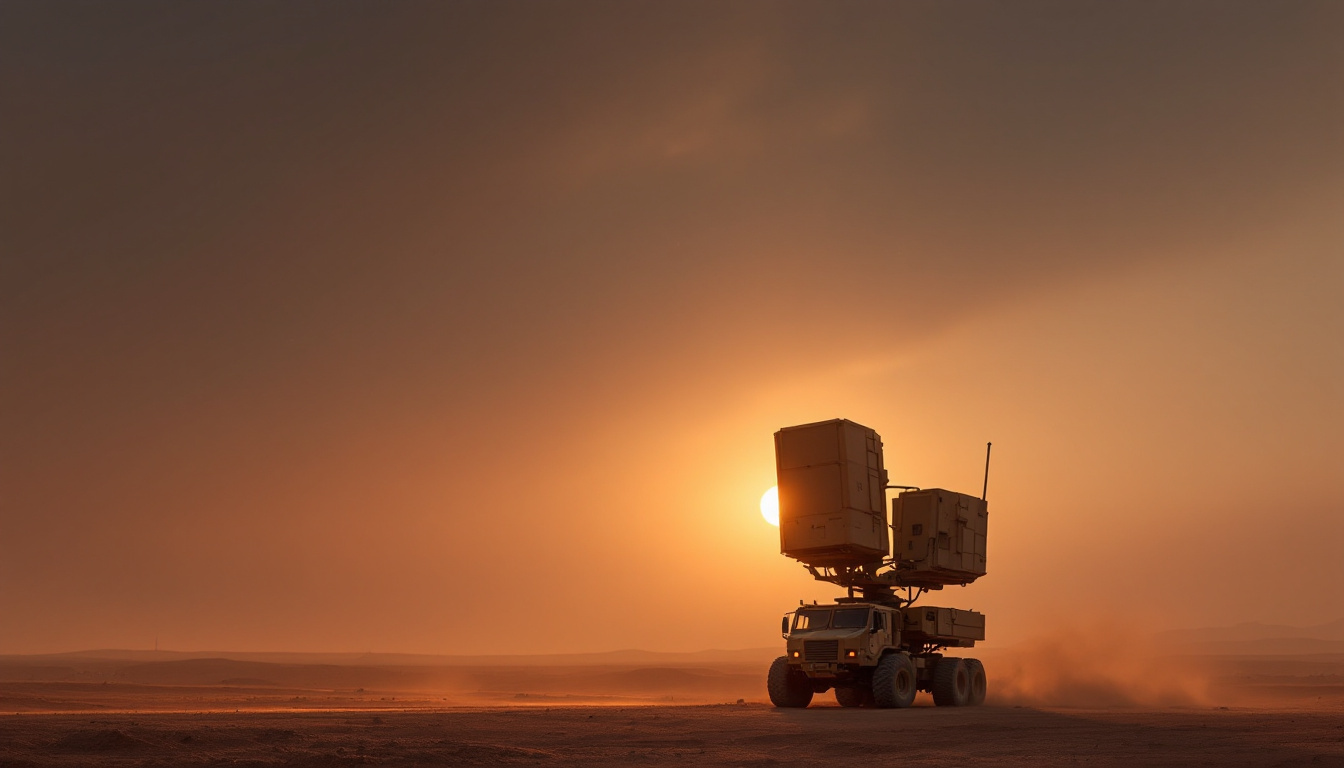
In September, Defense Secretary Pete Hegseth signed a memo loaning the Department of Homeland Security one Active Denial System for seven months, so the agency can test it on the southern border. When the seven months are up, DHS can ask for more time.
The Pentagon calls the Active Denial System "a non-lethal directed-energy capability." The troops who've tested it call it the heat ray.
It works like this. The system fires an invisible beam of 95-gigahertz millimeter waves at a target more than half a mile away. The energy only goes about 1/64 of an inch into the skin, far enough to warm the surface and no farther. To the person standing in the beam, the Pentagon says, it feels like opening a hot oven door, and it creates "an instinctive and irresistible urge to run from the effect."
So they run. Once they leave the beam, the heat goes away, and the effect stops.
The military has tested the system on volunteers for years. According to the program officials who ran the tests, the beam hit people more than 11,000 times, and only two of them needed medical attention. Both recovered fully. Marine officials have called it the military's safest non-lethal weapon.
Compare that with tear gas, which drifts onto whoever happens to be downwind, or a beanbag round that can break a rib. The heat ray only reaches the person it's pointed at, and it stops the moment they step away.
The memo makes clear that soldiers won't be the ones using it. The system "shall not be operated by Department of War personnel." DHS will run it, write its own rules for when it can be used, and follow the agency's existing standard that any force must be "objectively reasonable." Federal law already lets the defense secretary lend military equipment to civilian law enforcement. Police departments get armored vehicles the same way.
CBP's current leader, Rodney Scott, knows the system well. While he was running the Border Patrol, its El Centro sector studied using it at river crossings. Officials say internal talks now focus on breaking up crowds at the border before they turn into another San Ysidro.
The usual critics are already calling it inhumane. One former DHS official said the problem was "treating immigrants and citizens like enemy combatants." But enemy combatants get bullets. People in front of this beam get an overwhelming urge to walk away from a border they weren't allowed to cross.
Other former officials have raised fair practical questions. One is whether the beam could reach across into Mexico. Another is whether people near the Rio Grande could panic and run toward the water instead of away from it. Testing exists to answer those questions, and it's why DHS has seven months to figure out where and how to use it.
The military shipped the system to Afghanistan in 2010 and brought it home without firing it once in combat. A heat ray that never gets fired at all would be fine with the Border Patrol, too.
Illegal crossings are already at historic lows. CBP says it's "continually evaluating new technology." Its newest piece is a beam that has sent thousands of test volunteers running, and only two of them needed a doctor afterward.